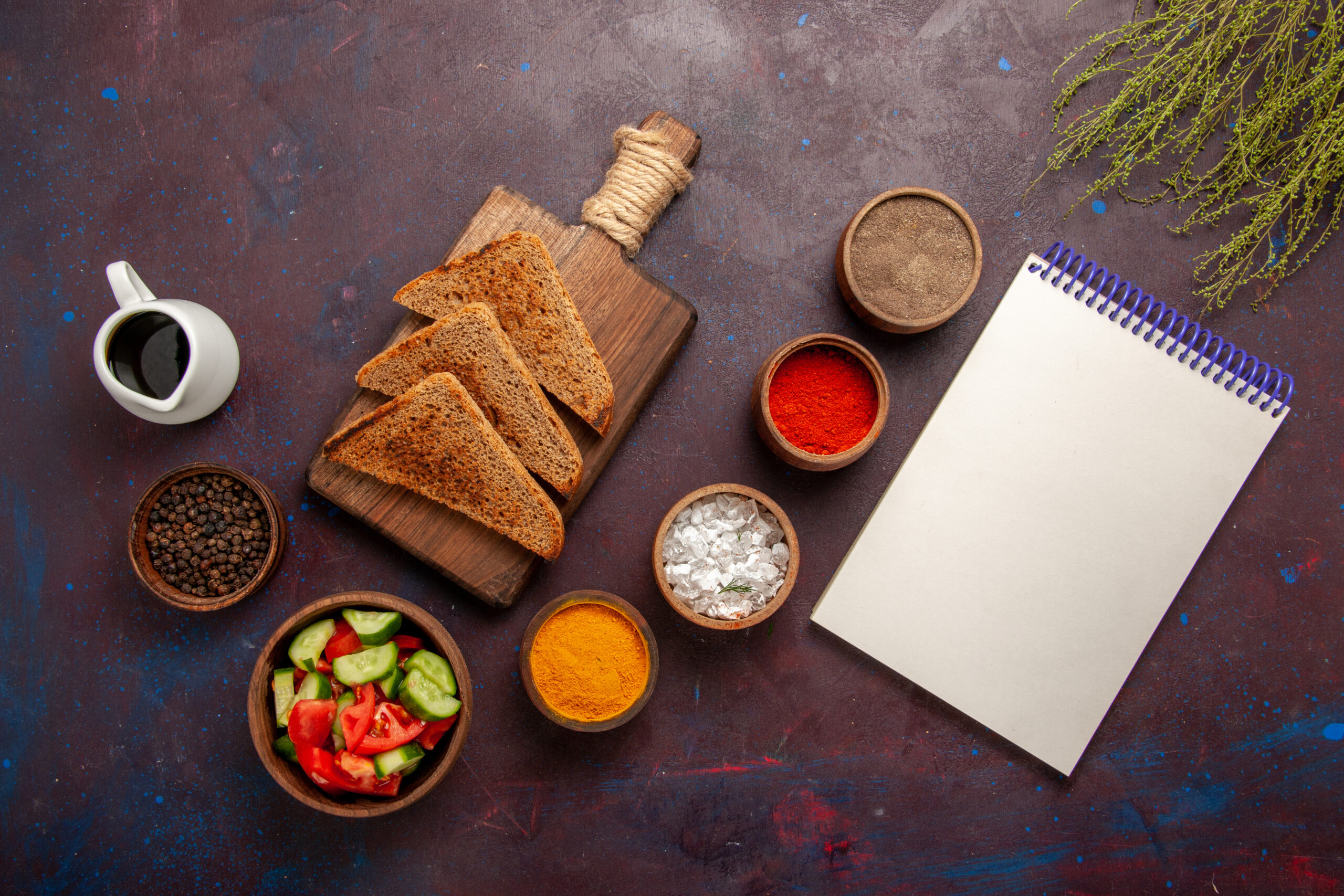
Let me start with a confession. If you had told me five years ago that I would one day write thousands of words about toast, I would have laughed. Back then, toast was just the crispy, buttery vehicle I used to get eggs into my mouth. But toastul? That’s a whole different story. It’s not just food; it’s a culinary movement, a creative outlet, and honestly, the most delightful part of my morning routine.
So, what is it? In the simplest terms, toastul is the art of transforming a humble slice of bread into a canvas for extraordinary flavors, textures, and colors. Think of it as the gourmet, Instagram-worthy evolution of your standard piece of toast. It’s a modern twist that combines structured presentation with artistic flair. The word itself is a playful blend, likely of “toast” and words like “ritual” or “style,” hinting at a more deliberate and elevated approach to this everyday food.
The magic of toastul lies in its beautiful contradiction: it is both incredibly simple and endlessly complex. At its core, it’s just bread, toasted. But its soul is in the creative toppings, the balance of textures, and the global inspirations that you pile on top. It’s a trend that went viral for a reason, captivating food lovers on TikTok and Instagram with its visual appeal and delicious versatility. Whether you’re a savory enthusiast dreaming of chili-spiked avocado or someone with a sweet tooth craving ricotta and honey, toastul has a place for you.
The Rise of a Culinary Star: How Toastul Conquered the Internet
I first noticed toastul creeping into my social media feeds in early 2025. One day, my explore page was all cats and travel videos; the next, it was a cascade of stunning, colorful slices of bread that looked like abstract art you could eat. This wasn’t an accident. The trend emerged from a beautiful fusion of global breakfast cultures and the modern desire for meals that are both convenient and aesthetically pleasing.
Food influencers and creative home cooks began showcasing their creations, turning the basic act of making toast into a shareable, aspirational ritual. A perfectly staged photo of sourdough with a vibrant swirl of beet hummus, topped with precisely placed microgreens and edible flowers, could garner millions of views. The hashtag #Toastul started trending, and a community was born—one centered not on exclusivity, but on shared inspiration and the joy of creation.
What makes toastul so perfectly suited for the digital age is its inherent photogenicity. The clean lines of the bread, the vibrant colors of fresh ingredients, and the artistic arrangement make for compelling content. It’s a trend built for the “look at this” culture of social media, but it has the substance to keep people coming back to their own kitchens. It answers a modern need: in our fast-paced world, we want food that is quick to prepare but doesn’t feel like a compromise. Toastul is that perfect middle ground—a meal that feels special and curated, yet can be assembled in mere minutes.
The Linguistic Mystery of “Toastul”
Even the name is part of the trend’s charm. Unlike traditional food names with long histories, “toastul” feels modern and crafted. It’s a catchy, brand-friendly term that is short, rhythmic, and easy to remember. Some speculate its roots are in digital culture, where catchy, made-up words often gain traction as brand names or community labels.
This ambiguity is actually a strength. Without a rigid, centuries-old definition, “toastul” becomes a blank slate. It can represent a high-concept food creation, a health-conscious snack brand, or a digital lifestyle platform. This open-ended quality invites people to project their own meaning onto it, which is a powerful driver of community and engagement. For our purposes, we’re embracing its most delicious interpretation: a celebration of bread, heat, and limitless topping potential.
Building Your Foundation: The Art of Selecting Bread
Before we get to the exciting toppings, we have to talk about the foundation. Choosing the right bread is the single most important step in your toastul journey. It’s the canvas for your masterpiece, and not all canvases are created equal. I learned this the hard way after trying to load wet bruschetta topping onto thin, flimsy white bread—it was a soggy, tragic mess.
A good toastul bread needs structure, character, and the ability to get crispy. Here’s a guide to the best candidates:
-
Sourdough: My personal favorite and a top choice among toastul enthusiasts. Its tangy flavor provides a wonderful contrast to both sweet and savory toppings. The sturdy, chewy crust and airy interior hold up to heavy spreads and juicy toppings without disintegrating.
-
Whole Grain or Seeded Bread: This is your go-to for a nutty, wholesome base packed with fiber. The seeds add fantastic extra crunch and texture. It pairs exceptionally well with earthy flavors like mushrooms, nut butters, and roasted vegetables.
-
Artisan Boules or Country Loaves: Thick-cut slices from a rustic artisan loaf offer incredible texture and a robust wheat flavor. They’re perfect for hearty, open-faced sandwiches that lean into the toastul style.
-
Gluten-Free & Alternative Bases: The trend is wonderfully inclusive. For a gluten-free option, a dense, seedy gluten-free loaf or even slices of roasted sweet potato or cauliflower work beautifully. Sweet potato “toast,” where thin slices are roasted until tender, has become a health food phenomenon in its own right.
Pro Tip from My Kitchen: Always toast your bread well. Aim for a deep, audible crunch. A sturdy, properly toasted base prevents sogginess and provides the essential textural contrast that defines a great toastul. Don’t just warm it; toast it.
The Toastul Toolkit: Beyond the Basic Toaster
While a standard toaster works just fine, the pursuit of perfect toastul has inspired kitchen gadget innovation. Some articles even personify “Toastul” as a high-tech kitchen tool itself—an internet-connected toaster with sensors that adjust for bread moisture and thickness for perfect results every time.
While you don’t need a smart appliance, a good broiler, a cast-iron skillet, or a panini press can offer more control for that ideal, even golden-brown finish.
The Global Pantry: Inspiration for Sweet & Savory Toppings
This is where the fun truly begins and where your personality can shine. Toastul is a global citizen, drawing inspiration from culinary traditions worldwide. It’s a delicious way to travel without leaving your kitchen.
Savovy Toastul Creations
Savory toastul is a fantastic quick lunch or light dinner. The formula is simple: a spread + a protein/veggie + a garnish for crunch and flavor.
-
The Classic, Reimagined: Smashed avocado is a staple for a reason. Elevate it by mixing in feta cheese, chili flakes, and a squeeze of lime. Top with a soft-boiled egg for protein and a sprinkle of everything bagel seasoning.
-
Mediterranean Dream: Spread a layer of creamy hummus or whipped feta. Top with roasted red peppers, sliced cucumber, a handful of arugula, and a drizzle of balsamic glaze. The flavors are fresh, bright, and satisfying.
-
Middle Eastern Spice: Use labneh (strained yogurt) or tahini as your base. Sprinkle generously with za’atar—a magical blend of thyme, sumac, and sesame seeds. Add sliced radishes and a pinch of flaky sea salt.
-
Asian-Inspired Twist: Brush your toast with a little sesame oil. Top with scrambled eggs seasoned with a dash of soy sauce and sesame seeds, or try a spread of miso paste topped with quick-pickled vegetables.
Sweet Toastul Treats
Who says toastul is just for mealtime? Sweet versions are like dessert for breakfast, but often far more nutritious.
-
Berry Bliss: Spread a thick layer of ricotta, mascarpone, or Greek yogurt on your toast. Arrange a mix of fresh berries (strawberries, raspberries, blueberries) on top. Drizzle with honey or maple syrup and finish with a sprinkle of chopped pistachios or mint.
-
Tropical Escape: Use coconut yogurt as your base. Top with slices of mango, kiwi, and a sprinkle of toasted coconut flakes. A tiny pinch of chili powder can add a surprising and delightful kick.
-
The Ultimate Comfort: You can’t go wrong with good peanut butter or almond butter. Top with banana slices, a drizzle of honey, and a sprinkle of chia seeds or cinnamon. It’s energy-packed, delicious, and feels like a hug.
My Golden Rule: Always think about texture. Combine something creamy (avocado, ricotta, hummus), with something crunchy (seeds, nuts, fresh veggies), and something with a flavor punch (herbs, spices, citrus zest, chili oil). This trio is the secret to a toastul that’s exciting in every bite.
Here’s a quick glance at how toastul draws from different corners of the world:
| Cultural Influence | Toastul Interpretation | Key Ingredients |
|---|---|---|
| Italian | Inspired by Bruschetta | Chopped tomatoes, fresh basil, garlic, olive oil, balsamic |
| Middle Eastern | Inspired by Za’atar Manakish | Labneh or olive oil, za’atar, cucumbers, olives |
| Mexican | A Modern Breakfast Tostada | Refried black beans, salsa, cotija cheese, pickled onions |
| American Diner | The Gourmet Upgrade | Peanut butter, banana, honey, crispy bacon (optional!) |
Nourishing Your Body: The Health Benefits of Mindful Toastul
One of the most compelling aspects of the toastul trend is that it aligns perfectly with a health-conscious lifestyle. When crafted with intention, it’s not just a pretty plate; it’s a balanced, nutritious meal. This is where my personal journey with toastul deepened. It moved from being a weekend treat to a reliable weekday breakfast that kept me full and focused.
You have complete control over the nutritional profile. By starting with a wholesome base and choosing nutrient-dense toppings, you can create a meal that supports your wellness goals.
-
Fiber & Whole Grains: Choosing a whole grain, seeded, or sourdough bread provides complex carbohydrates and dietary fiber, which aids digestion and provides sustained energy.
-
Healthy Fats: Toppings like avocado, nut butters, and olive oil are excellent sources of monounsaturated fats, which are great for heart health and help you feel satiated.
-
Protein Power: Adding eggs, Greek yogurt, ricotta, hummus, or a sprinkle of hemp seeds boosts the protein content, which is crucial for muscle repair and keeping hunger at bay.
-
Vitamin Boost: Piling on fresh fruits and vegetables floods your body with vitamins, minerals, and antioxidants. A toastul topped with spinach, tomatoes, and peppers is a far cry from a sugary pastry.
Here’s a look at how different bread choices can shape your meal:
| Bread Type | Best For… | Nutritional Highlight |
|---|---|---|
| Whole Grain / Seeded | A hearty, fiber-filled start to the day | High in fiber & B vitamins |
| Sourdough | Easier digestion & versatile flavor | Gut-friendly prebiotics |
| Rye Bread | Deep, earthy savory combinations | High in fiber and minerals |
| Sweet Potato Slice | Gluten-free, Paleo, or low-carb style | Rich in Vitamin A and beta-carotene |
For Specialized Diets:
-
Vegan: Use plant-based yogurts, nut cheeses, avocado, bean spreads, and all the veggies.
-
Gluten-Free: Opt for certified gluten-free breads or use vegetable bases like sweet potato.
-
High-Protein: Focus on cottage cheese, skyr, eggs, legume-based spreads, and lean meats.
The key takeaway is that toastul is a framework, not a prescription. It empowers you to eat well, without feeling like you’re on a restrictive diet. It’s celebratory nourishment.
Avoiding Common Pitfalls: Tips for Toastul Success
Even the simplest art forms have their pitfalls. After many (sometimes hilarious) kitchen experiments, I’ve identified a few common toastul mistakes and their easy fixes.
-
The Soggy Bottom: This is enemy #1. It happens when warm, wet toppings meet under-toasted bread.
-
The Hack: Toast your bread darker than you think you need to. Let it cool for just a minute on a rack before adding spreads. For very juicy toppings (like tomatoes), pat them dry with a paper towel first.
-
-
The Tower of Babel: Overloading your toast is tempting. But when toppings slide off with the first bite, the experience falls apart.
-
The Hack: Embrace balance, not height. Think in layers and textures rather than sheer volume. Each component should be identifiable and eatable in one bite.
-
-
The Bland Canvas: Forgetting to season the bread itself is a missed opportunity.
-
The Hack: Season every layer. Lightly brush your toasted bread with a flavorful oil (garlic, chili, truffle) or rub it with a cut clove of garlic. A pinch of flaky salt on the bare toast can work wonders.
-
-
The Monochromatic Plate: Taste is multi-sensory, and we eat with our eyes first.
-
The Hack: Add a pop of color. Garnish with bright green herbs, red chili flakes, black sesame seeds, or the vibrant purple of an edible flower. This makes your creation irresistible.
-
The Future of Toastul: Where Does This Trend Go Next?
As a food lover, I’m fascinated by where toastul might head. Based on current trajectories in food and tech, the future looks exciting.
-
Hyper-Local & Seasonal: The next wave will likely emphasize local sourcing. Imagine toastul featuring foraged mushrooms, heirloom tomatoes from your neighbor’s garden, or honey from a neighborhood apiary. Sustainability will become a bigger part of the conversation.
-
Tech-Enhanced Preparation: While we may not all have Wi-Fi toasters, smart kitchen gadgets will continue to simplify the pursuit of perfection. Imagine an app that suggests topping combinations based on what’s in your fridge or your dietary goals.
-
Global Fusion Gets Wilder: The cross-pollination of flavors will accelerate. We might see Korean gochujang paired with Italian burrata, or Peruvian ají amarillo sauce swirled into Greek yogurt.
-
Beyond the Bread: The “canvas” itself will continue to evolve. We’ll see more use of grain-free alternatives, like lentil-based flatbreads, cauliflower slices, or even thick slabs of grilled polenta.
Ultimately, the future of toastul is not about a specific ingredient or gadget. It’s about the enduring human desire to take something simple and make it beautiful, to nourish ourselves with creativity, and to share that joy with others. It’s a trend built on accessibility, which is why I believe it has the staying power to become a modern kitchen staple.
My Personal Conclusion: More Than Just Toast
My journey with toastul started as casual curiosity and has become a small, joyful daily ritual. It has taught me to slow down for just five minutes in the morning, to play with my food, and to start the day with something I consciously created. It’s a form of edible mindfulness.
In a world that often feels chaotic, there’s a profound comfort in the simple, predictable process of toasting bread. And there’s a corresponding thrill in the infinite possibilities that happen next. Toastul is a reminder that you don’t need a fancy kitchen or hours of time to eat well and eat beautifully. You just need a little inspiration and the willingness to experiment.
So, I encourage you to grab a loaf of good bread, look in your fridge, and see what happens. Your perfect toastul is waiting to be discovered.
Frequently Asked Questions (FAQ)
Q1: Is toastul just a fancy name for avocado toast?
No, it’s much more! While avocado toast is a very popular type of toastul, the trend encompasses an endless variety of sweet and savory creations. Toastul is about the creative philosophy of treating toast as a customizable canvas.
Q2: I’m on a diet. Can I still enjoy toastul?
Absolutely. Toastul is highly adaptable. For a weight-conscious option, use a high-fiber, low-calorie bread like rye or a light whole grain, top with low-fat Greek yogurt or cottage cheese, and pile on berries or vegetables. You control all the ingredients.
Q3: Do I need any special kitchen equipment?
Not at all. A standard toaster, a toaster oven, or even a skillet on the stove will work perfectly. The only “special” tool you need is your creativity.
Q4: How do I keep my toastul from getting soggy if I pack it for lunch?
The key is packing components separately. Keep the toasted bread in one container (or lightly re-toast it at work if you can). Pack your spreads and toppings in small separate containers and assemble right before you eat.
Q5: Is this trend just for Instagram, or is it actually tasty?
It’s genuinely delicious! While it photographs beautifully, the core principle is combining complementary flavors and textures, which is the foundation of all good cooking. The visual appeal is a bonus to the eating experience.